
Farabazyaft
Renewing resources from industrial waste
Farabazyaft takes an innovative approach to industrial waste management, renewing resources and reducing harmful environmental impacts. By turning waste such as used tyres and unusable materials into practical new products, it helps reduce pollution and environmental risks while creating opportunities for economic value and sustainable urban development. Farabazyaft connects industry and the environment so that production can continue with less resource loss and greater efficiency.





Our vision
To become a national reference point for resource recovery in the tyre and polymer industries, returning waste to production and helping make cities safer and cleaner.
⦿ Building a green value chain with industry and municipalities
⦿ Reducing landfill and waste burning, and managing safety risks
⦿ Monitoring and reporting ESG indicators to make impact transparent
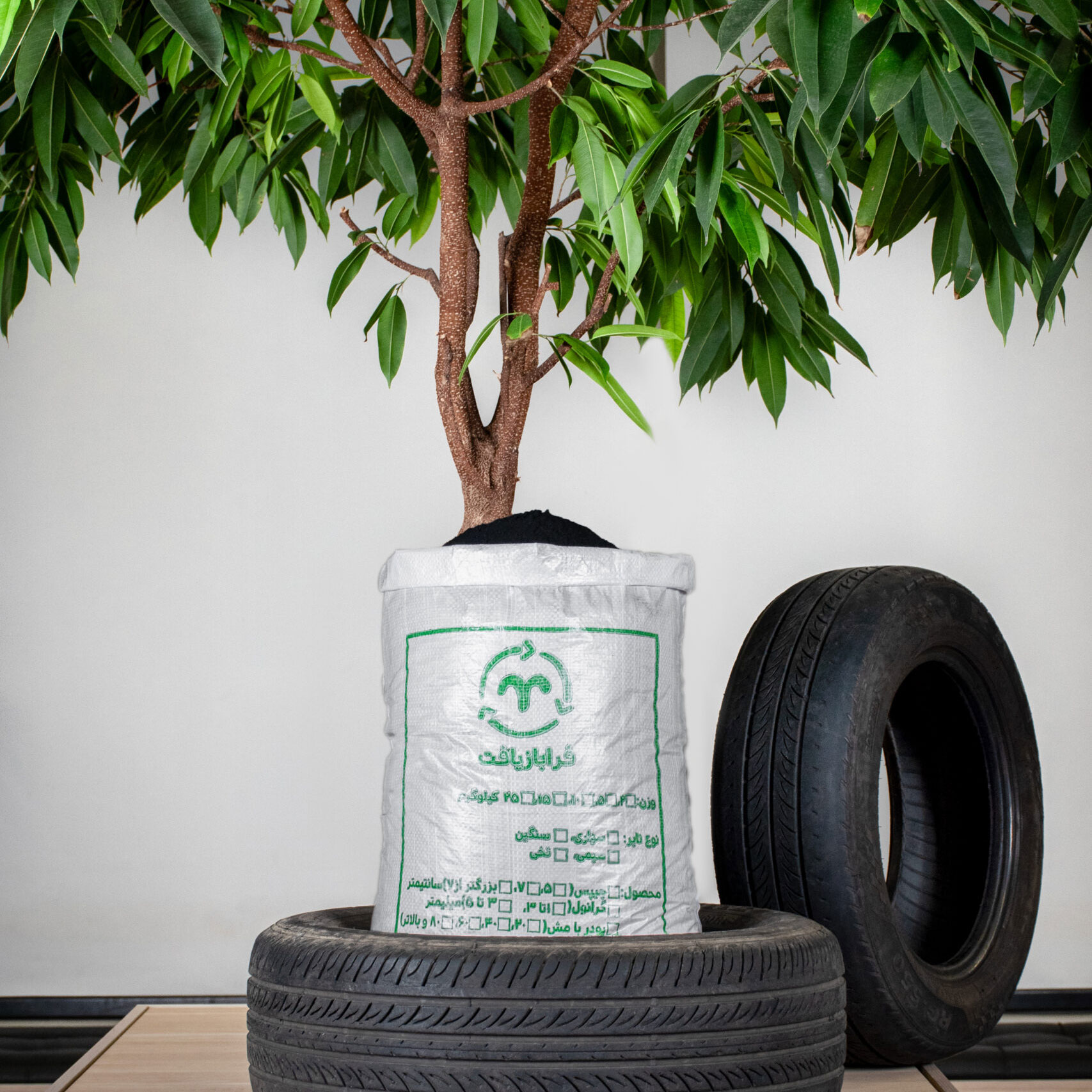
Our mission at Farabazyaft
Designing and implementing standard processes for collecting, sorting, shredding and recovering industrial waste, and producing useful products of consistent quality.
⦿ Technical waste analysis and recommendations for efficient resource recovery
⦿ Shredding and separation lines suited to the required capacity
⦿ Quality control, traceability and complete process documentation

What challenges does Farabazyaft address?
Accumulating used tyres and polymer waste takes up space and increases the risks of fire and pollution. By converting this waste into rubber powder, granules and recycled polymer components, Farabazyaft reduces waste-management costs and provides industry with quality secondary raw materials. Our model combines sustainable supply contracts, safe transport, flexible shredding and processing lines, and quality control at every stage, so that the final output is reliable and meets the required standards.
Reducing landfill and waste burning
A tangible reduction in rubber and polymer waste.
Creating a green value chain
Connecting municipalities, industry and consumers through the materials cycle.
Standardisation and traceability
Product identification, quality control and reporting.
ESG reporting
Measuring projects’ environmental and social impacts.
Green employment
Creating sustainable jobs in resource recovery.
Innovation and R&D
Improving product formulations and productivity.
