
Faraatar is a social entrepreneurship group working to advance ethical enterprise development. We believe that lasting change begins with a change in our mental models. This is why we have introduced ethical enterprise development: an approach that considers everyone who has a stake in a project or is affected by it, and seeks to avoid leaving anyone worse off. Our dream is to build a network of ethical entrepreneurs in Iran who improve the quality of work and life through entrepreneurship that benefits everyone involved.
One step further
The outward mindset explores how individuals and organisations can improve the quality of their relationships, their collaboration and their overall effectiveness by moving from an inward mindset to an outward one. An inward mindset sees other people as tools for achieving its goals or as obstacles in its way. An outward mindset seeks to see others as people, and values understanding their needs, challenges and goals. Its guiding principles include seeing people as people rather than tools, focusing on collective outcomes, taking responsibility and ownership for ourselves, the environment and Iran, and practising empathy and collaboration.
The outward mindset
The outward mindset is the foundation of Faraatar. It asks us to turn our attention beyond ourselves and consider whether we can move past self-interest to think about others. Through this approach, we seek to see people as people rather than tools, and to respect their feelings, thoughts, emotions and choices.


Our brand
Faraatar was founded in 1402 in the Solar Hijri calendar (2023–2024), drawing on three decades of entrepreneurship in Iran’s polymer industry. We have long been concerned that projects with a substantial social impact may never materialise because their business plans do not promise the highest financial returns. We believe that development and value creation should be understood beyond financial profit, through economic development, human development, technological progress and sustainability. By understanding ourselves more deeply and improving continuously, we seek to move beyond our personal interests and develop a broader vision of progress. We dream of a network of ethical enterprise developers working for comprehensive and sustainable development in Iranian society.
Vision
To build a broad network of entrepreneurs in Iran who pursue excellence in entrepreneurship, act on the fundamental values of wisdom, beauty and goodness, and advance entrepreneurship that benefits everyone involved.
Mission
To advance ethical enterprise development by creating or discovering opportunities and investing financial and intellectual resources in people, ideas and businesses that create lasting value in Iranian society.
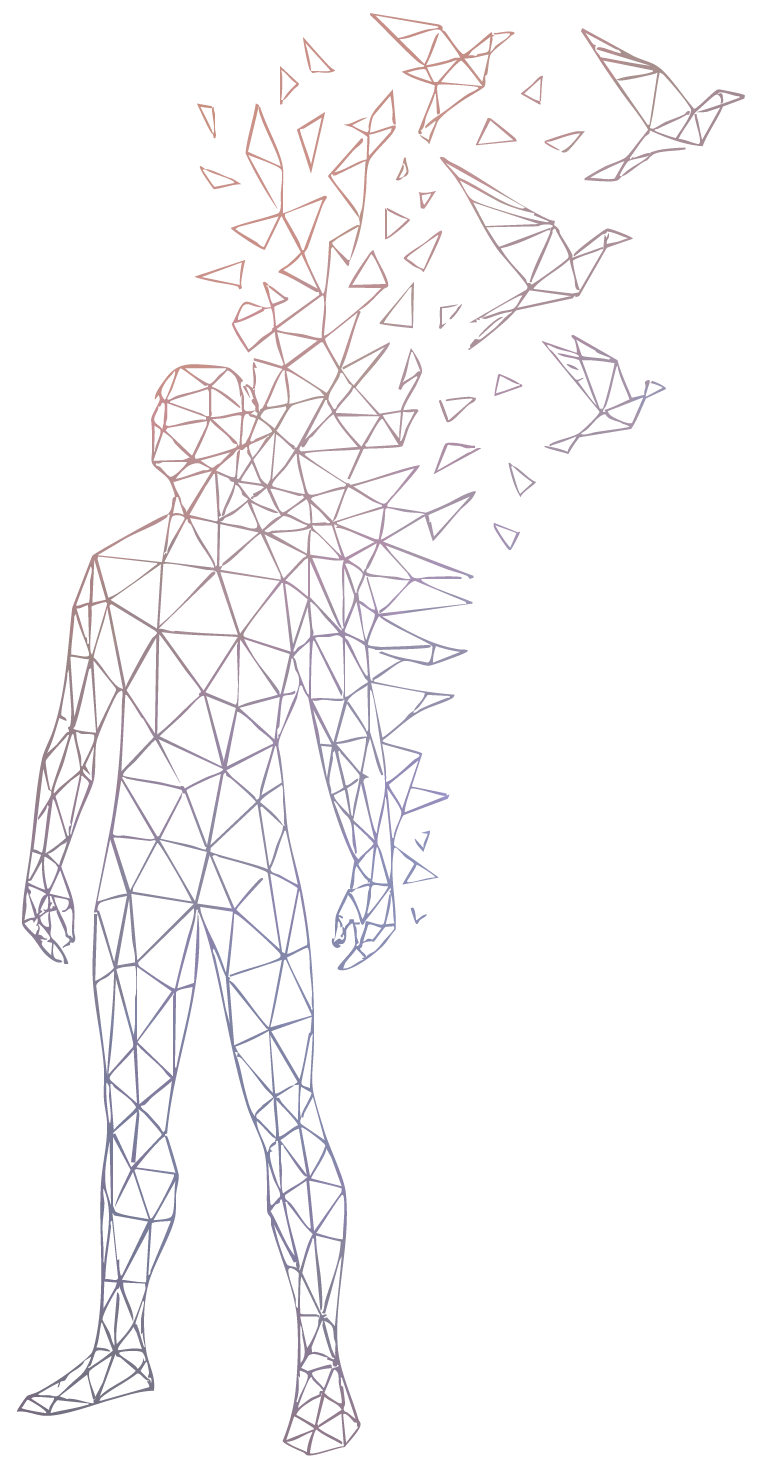
Beauty, goodness and wisdom
Wisdom:
Wisdom is discernment born of reason: the ability to distinguish good from bad, right from wrong, and benefit from harm. It cannot be attained without reason and understanding. Understanding arises from experience and knowledge. Wisdom is not a matter of belief; it grows through critical reflection and questioning. It gives people the ability to shape their own lives and their communities consciously and with sound judgement.
Understanding is an activity that leads to wisdom, which therefore draws on thought. Wisdom is not innate: it must be acquired and put to use. It encompasses the concepts and insights of thoughtful, discerning judgement and can guide us through intuition, practice and reason.
Wisdom continually seeks dialogue and understanding. It draws nourishment from both and develops through them. With its awareness, it eases pain and suffering and keeps enthusiasm from becoming reckless. Through wisdom, meaning grows in action, and good deeds, words and thoughts can flourish, enabling us to live with joy and reconciliation in a balanced world.
Goodness:
Goodness is action that stands against harmful action. Harmful action divides people and turns them against one another. Goodness arises from reason and wisdom, brings clarity to the human spirit and is always drawn towards beauty. It brings warmth and vitality to society by nurturing solidarity.
Doing good means reaching towards another person and recognising their presence and existence. Goodness and friendship are therefore closely connected. True friendship can be found among those who do good: people who try to give the world responsible meaning through their actions. Goodness refines harsh feelings and emotions, transforming violence into cooperation and mutual support. It is the root of love, embracing humanity and existence with warmth and tenderness so that, through dialogue, they may brighten the future together.
Goodness is incompatible with ill intent. It rejects hypocrisy and deceit, and stands against resentment. It never imposes itself on anyone or anything as the sole expression of truth. Integrity is the strong trunk of the tree of goodness, allowing it to share its fruits with others and remain distant from duplicity and ugliness. Goodness continually seeks to create the best things amid the harm and corruption that wear down the spirit.
Beauty:
In Iranian culture, beauty has always been associated with goodness and love. It encompasses both material and sensory grace and moral refinement. Beauty softens feelings and emotions, inspires enthusiasm and reveals itself in harmony. It stimulates human reason, imagination and desire.
Beauty can be found both in things and through them, but perceptions of it vary across people and periods. We cannot describe beauty and its nature with absolute precision: each person approaches it through their own understanding. Social, economic and cultural circumstances also shape what beauty means and how it comes into being.
Beauty brings joy and pleasure. It is captivating: it appears in the body and shines upon it, awakens the spirit and manifests through it. It shapes the appeal of both our outward and inward selves. An action is neither beautiful nor ugly in itself; the way we act makes it so. When an action is performed truthfully, properly and gracefully, it reveals a beautiful face. When it is performed wrongly, it becomes associated with ugliness.