
Bonds That Make Us Free
Freedom comes when we dare to remove our masks and reveal who we really are.
The bonds we believe hold us captive also contain the key to our freedom. Read the book’s central ideas in about 20 minutes: focused, precise and practical.
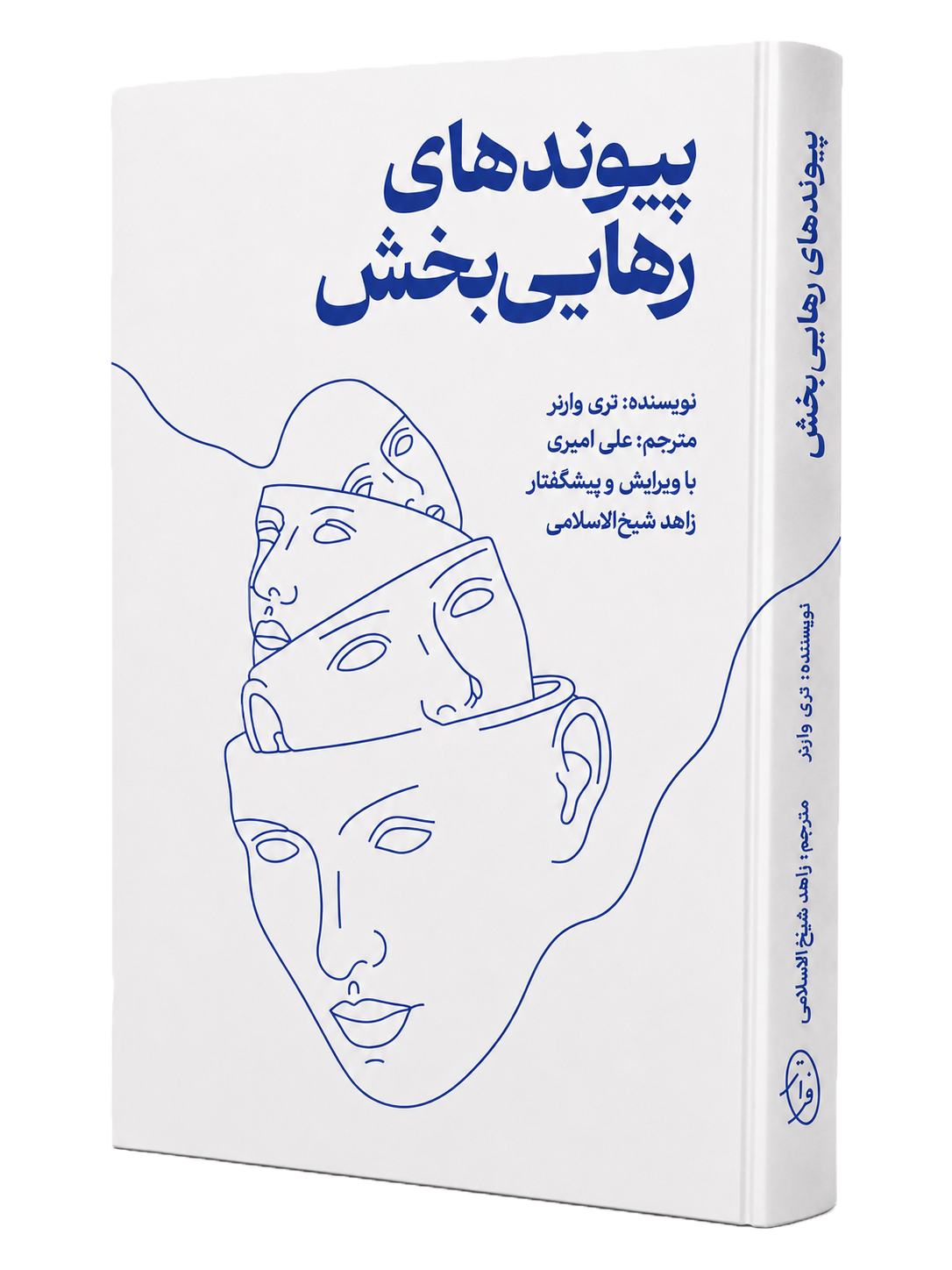
What is this book about?
Many of us feel trapped by commitments that drain us, relationships that disappoint us and a story of life that feels more like a burden than a gift. Bonds That Make Us Free argues that the problem is not that we are connected to others, but how we relate to them.
Terry Warner shows how we create our own emotional difficulties and then deny our part in that suffering. This book is not a collection of techniques for managing others. It invites us to be completely honest with ourselves and to undergo a profound change of heart and mind.
What makes this book distinctive?
Bonds That Make Us Free approaches human relationships from a perspective few books dare to explore: our own role in creating the suffering we complain about.
Self-betrayal
The moment when we know what is right but do not do it: the starting point for resentment, self-justification and blaming others.
Life inside the box
Self-deception builds a barrier inside which everything seems justified. The book shows us how to step outside it.
Two ways of being
The fundamental difference between an I–It relationship and an I–Thou relationship: seeing another person as an object or as a human being.
Real stories, rather than theory
Drawing on more than 25 years of work with thousands of people, these real stories allow readers to recognise themselves.
A change of heart, beyond changed behaviour
Most self-help programmes focus on outward actions. This book turns to their roots: our attitudes and feelings.
A guide for individual and group reading
Reflection and discussion questions for all 14 chapters help turn reading into practice.
Bonds That Make Us Free at a glance
Peyvandhaye Rahayi-Bakhsh is the Persian translation of Bonds That Make Us Free by C. Terry Warner, a Brigham Young University professor and founder of the Arbinger Institute. Its central idea is simple but fundamental: the bonds we believe hold us captive, with our partner, family, colleagues and our own past, also contain the key to our freedom. Warner shows how, when we know what is right but fail to do it, we betray ourselves. To justify ourselves afterwards, we begin to blame others, harden our hearts and become trapped within a barrier of justification, the book’s box. Drawing on real stories from more than 25 years of experience, it shows a way out: complete honesty with ourselves, an acceptance of vulnerability and, ultimately, forgiveness and letting go. Its message is that the threads that seem like chains can become the fabric of a life woven with meaning, purpose and deep happiness.
Download the summary (PDF)Who wrote Bonds That Make Us Free?
Questions? Find answers here
Before you begin, explore answers to the most frequently asked questions about this summary.
How long does the summary take to read?
Does the summary replace the book?
What does self-betrayal mean?
Who is this book for?
Where can I get the full book?
Get in touch
We would be pleased to hear from you about obtaining the full edition, collaborating or any questions you may have.